Table of Contents
- Introduction
- How My Real Estate Journey Started in 2010
- Step 1: Become Bankable and Buy Your First Property
- Step 2: Invest in Real Estate Education
- Step 3: Start Small and Gain Experience
- Step 4: Earn Certifications, Licenses, and Degrees
- Step 5: Find a Mentor and Build Your First Development Project
- Transitioning From a 9-to-5 Job to Full-Time Real Estate Investing
- Scaling Into Larger Real Estate Development Projects
- How Velney Development Helps New Investors
- Tools I Personally Use and Recommend
- Why Real Estate Development Consulting Can Accelerate Your Success
- Frequently Asked Questions
- Conclusion
From First-Time Homebuyer to Real Estate Developer: My Journey and How Velney Development Helps New Investors
Many people dream about leaving their 9-to-5 job, creating financial freedom, and building wealth through real estate. The challenge is knowing where to start.
When people see real estate developers working on apartment buildings, mixed-use developments, and large investment projects, they often assume those individuals started with substantial wealth, family connections, or decades of experience.
That wasn’t my story.
My name is Josue Velney, founder of Velney Development, and my real estate journey began like many investors’: by purchasing my first home in 2010.
Today, I am a full-time real estate developer and provide real estate development consulting services, helping new investors, aspiring developers, and professionals looking to leave their 9-to-5 careers navigate the path toward real estate investing and development.
If you’re looking for a real estate consultant who has personally gone through the process from beginner to developer, I hope my story helps show what is possible.
How My Real Estate Journey Started in 2010
Like many first-time investors, I didn’t begin with a development project.
I started with a goal of becoming a homeowner.
At the time, I quickly realized that owning real estate was one of the most powerful tools for building wealth. While many people focused solely on earning income through their careers, I became interested in how real estate could create long-term financial security and passive income.
Buying that first property opened my eyes to opportunities that would eventually lead me to invest, renovate properties, develop, and consult. In this blog, I will lay out the steps I took and recommend them to others.
Step 1: Become Bankable and Buy Your First Property
One of the biggest mistakes I see new investors make is focusing on real estate before becoming financially bankable.
Before you can become a successful investor, you often need access to financing.
That means:
- Maintaining stable employment
- Building strong credit
- Managing debt responsibly
- Saving for reserves and down payments
For me, having a solid W-2 career as a firefighter created opportunities to qualify for financing programs designed to help first-time buyers.
These programs included:
- First-time homebuyer loans
- VA loans
- State housing programs
- Federal housing programs
- City-sponsored homeownership programs
This step is critical because at some point—typically between owning 3 and 10 units—your debt-to-income ratio can shift. The income from your real estate portfolio may become significant enough that qualifying for some first-time buyer programs becomes more difficult.
That’s why I often advise new investors to maximize available financing opportunities early in their investing journey.
Step 2: Invest in Real Estate Education
Before I ever became a developer, I became a student.
Real estate is a business, and education is one of the best investments you can make.
My early education came from:
- Real estate investors
- Real estate consultants
- Local meetups
- Mastermind groups
- Industry networking events
- Books and podcasts
I spent years learning from people who were already doing what I wanted to accomplish.
One of the biggest lessons I learned was that success leaves clues. The fastest way to grow is to learn from people who have already achieved your goals.
Today, as a real estate investing consultant, I help clients shorten their learning curve by sharing lessons that took me years to learn through experience.
Step 3: Start Small and Gain Experience
While continuing my full-time career as a firefighter, I began taking on gut renovation projects.
These projects taught me valuable lessons about:
- Construction costs
- Project management
- Contractor relationships
- Budgeting
- Permitting
- Scheduling
Many aspiring developers want to jump directly into large apartment buildings or major developments.
My recommendation is different.
Start small.
Every renovation project teaches lessons that can later be applied to larger development projects.
The experience gained from smaller projects often becomes the foundation for larger opportunities.
Step 4: Earn Certifications, Licenses, and Degrees
As I became more serious about real estate and construction, I continued investing in my education.
Today, I hold:
- Massachusetts Real Estate Broker License
- New Hampshire Real Estate Broker License
- Massachusetts Unrestricted Construction Supervisor License
- Construction Management Degree from Wentworth Institute of Technology
- Passive House Builder Certification
- Six completed courses through Boston University’s Real Estate Certificate Program
Education alone won’t make you successful.
However, education combined with action can significantly increase your chances of success.
These credentials helped me better understand development, construction, finance, zoning, and project execution.
Step 5: Find a Mentor and Build Your First Development Project
One of the biggest turning points in my career came when I partnered with a mentor on my first ground-up development project.
This experience accelerated my growth more than any course or certification could.
A mentor can help you:
- Avoid costly mistakes
- Understand development timelines
- Learn financing strategies
- Navigate zoning approvals
- Build confidence
Many successful developers didn’t get there alone.
Finding the right mentor can dramatically shorten the path to becoming a real estate developer.
Leaving My 9-to-5 Job and Becoming a Full-Time Real Estate Investor
My original goal was to generate enough income and opportunity through real estate to eventually transition away from my full-time career.
That goal became a reality.
By combining investing, renovations, development projects, and strategic partnerships, I was able to transition to full-time real estate.
For many of my consulting clients, this is also their goal.
They want real estate to provide flexibility, freedom, and control over their future.
The good news is that it is achievable with the right plan.
Scaling Into Larger Development Projects
After successfully completing development projects, larger firms began taking notice.
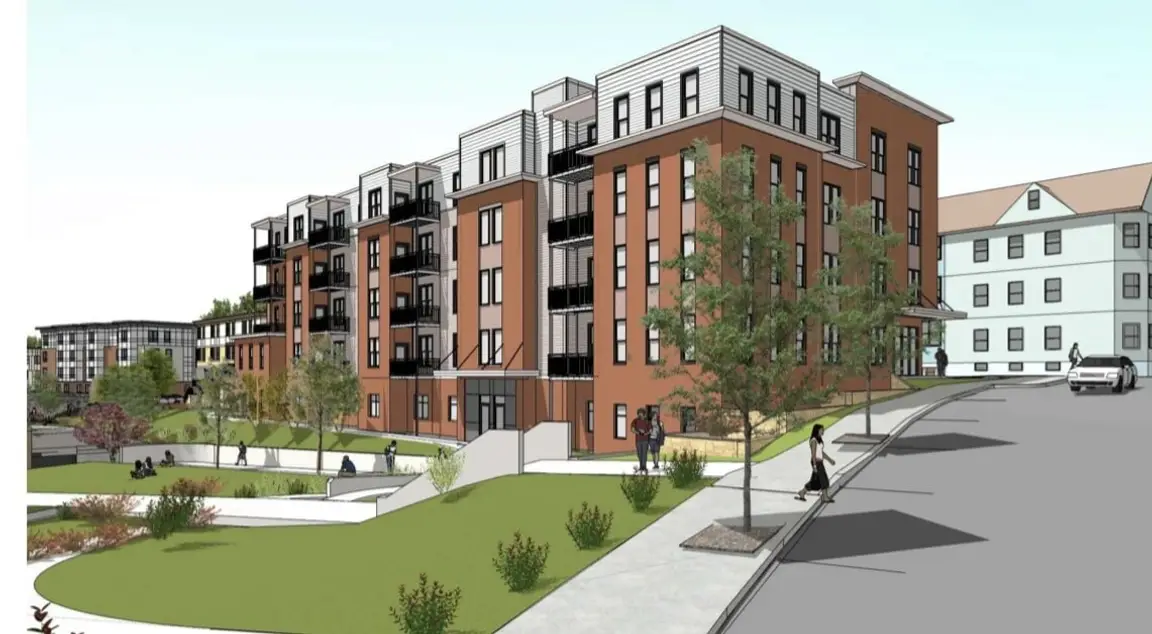
Over time, I became involved in projects that included:
- 7-unit developments
- 28-unit developments
- 61-unit developments
- 250-unit developments
These projects provided experience with:
- Zoning approvals
- Entitlements
- Development financing
- Construction management
- Investor relations
- Municipal approvals
Each project reinforced the importance of planning, partnerships, and professional guidance.
How Velney Development Helps New Investors
At Velney Development, we offer real estate development consulting designed to help investors at various stages of their journey.
Whether you are:
- Purchasing your first investment property
- Looking to scale your portfolio
- Considering your first development project
- Planning to leave your 9-to-5 job
- Exploring multifamily investments
We provide practical guidance based on real-world experience.
Our consulting focuses on helping investors avoid common mistakes and create realistic growth plans.
Tools I Personally Use and Recommend
Technology has become an important part of modern real estate investing.
Some of the tools I personally use and have affiliate partnerships with include:
Carrot
A powerful SEO lead generation platform for investors and developers.
InvestorFuse
An excellent CRM designed specifically for real estate investors.
DealMachine
One of the leading tools for driving for dollars and finding off-market opportunities.
PropStream
A comprehensive property data platform used by investors nationwide.
For additional educational resources, reading recommendations, and investment tools, visit the consulting section of the Velney Development website.
Why Real Estate Development Consulting Can Accelerate Your Success
One of the biggest mistakes new investors make is trying to figure everything out alone.
A qualified real estate consultant can help you:
- Create a roadmap
- Analyze deals
- Understand financing
- Build a team
- Avoid common pitfalls
- Scale more efficiently
The goal isn’t to eliminate mistakes entirely.
The goal is to make fewer expensive mistakes and reach your goals faster.
That’s exactly why I created Velney Development’s consulting services.
We even offer a free 15-minute consultation through our website to help prospective clients determine whether consulting is right for them.
Frequently Asked Questions
What does a real estate development consultant do?
A real estate development consultant helps investors evaluate opportunities, navigate development projects, understand financing, and create strategies for long-term growth.
Can I become a real estate developer without prior experience?
Yes. Most developers start with little or no experience. Education, mentorship, and smaller projects often provide the foundation needed to grow.
How many properties should I own before becoming a developer?
There is no specific number. Some investors move into development after a few properties, while others wait until they have larger portfolios.
Should I quit my 9-to-5 job to invest in real estate?
In most cases, no. Maintaining a stable income can help you qualify for financing and reduce risk while building your portfolio.
Do I need licenses or certifications to become a developer?
Not necessarily, but additional education and certifications can provide valuable knowledge and credibility.
Does Velney Development offer consulting for beginners?
Yes. We work with both new investors and experienced investors looking to scale into larger projects or development opportunities.
Conclusion
My journey from first-time homebuyer in 2010 to real estate developer was not an overnight success story. It was built through education, persistence, mentorship, calculated risk-taking, and continuous learning.
If you’re looking to buy your first investment property, leave your 9-to-5 job, or become a real estate developer, know that the path is possible.
At Velney Development, our mission is to help aspiring investors avoid costly mistakes and achieve their goals faster through professional real estate development consulting.
If you’re ready to take the next step, visit our website and schedule a free 15-minute consultation. We’d be happy to help you create a roadmap toward your real estate investing and development goals.