
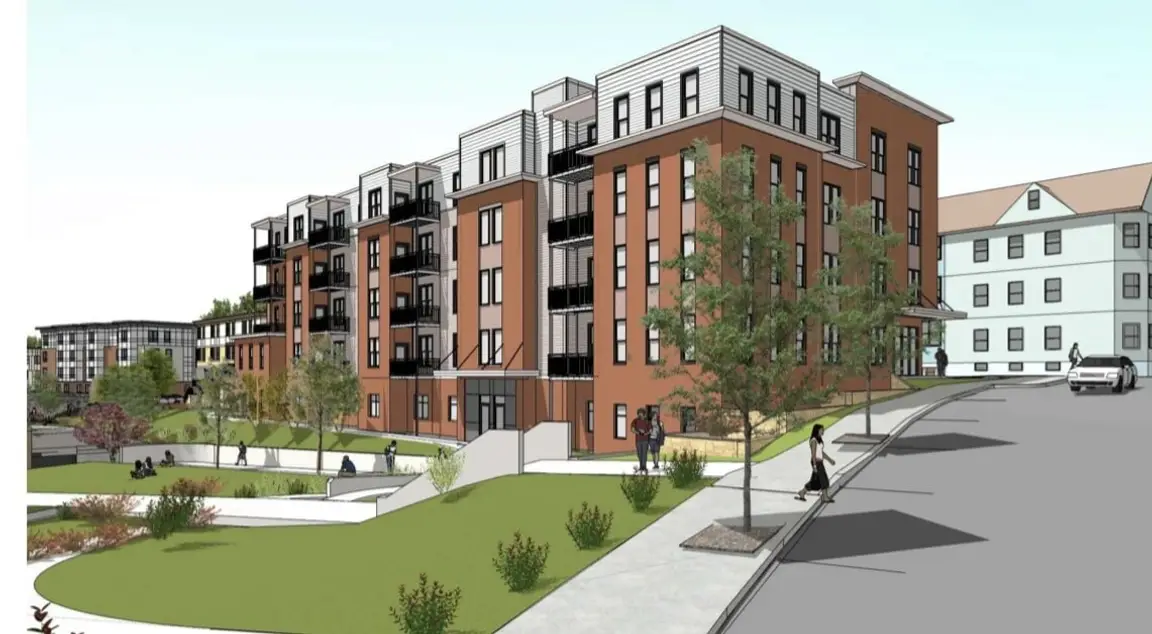
How Long Does It Take to Sell Land in Massachusetts?
If you’re asking “How long does it take to sell land in Massachusetts?”, you’re not alone.
Whether you own a vacant residential lot in Somerville, a development parcel in Cambridge, inherited land in Middlesex County, or several acres elsewhere in Massachusetts, one of the first questions every landowner asks is:
“How long will this take?”
The honest answer is:
It depends.
Some parcels receive multiple offers within a few weeks. Others may remain on the market for six months, a year, or even longer.
Unlike selling a house, selling land requires finding a much more specific buyer. Homes appeal to families, first-time buyers, and investors. Vacant land often appeals to builders, developers, investors, or someone with a very specific vision.
At Velney Development, we work with property owners throughout Massachusetts to evaluate development opportunities, market land effectively, and connect sellers with qualified developers and investors. Understanding the timeline—and what influences it—can help you make smarter decisions and maximize your property’s value.
Table of Contents
- Why Land Takes Longer to Sell Than Houses
- How Long Does It Typically Take to Sell Land in Massachusetts?
- Factors That Affect Your Selling Timeline
- Development Land vs. Raw Land
- Should You Sell Now or Wait?
- How to Sell Your Land Faster
- Should You Work With a Real Estate Agent?
- Why Developers May Pay More Than Typical Buyers
- Velney Development’s Approach to Selling Land
- Frequently Asked Questions
Why Land Takes Longer to Sell Than Houses
The biggest difference between selling land and selling a home is the buyer pool.
Nearly everyone needs housing.
Only a small percentage of buyers are actively searching for land.
Those buyers typically include:
- Real estate developers
- Home builders
- Investors
- Families building custom homes
- Commercial developers
- Neighboring property owners
- Municipalities
- Non-profit organizations
Each buyer has different goals, financing requirements, and development plans.
Because the buyer pool is smaller, finding the right purchaser often takes longer.
That doesn’t mean your property lacks value—it simply means it requires a different marketing strategy.
How Long Does It Typically Take to Sell Land in Massachusetts?
While every property is different, these are reasonable expectations.
Premium Development Land
30–90 days
Properties located in cities like:
- Somerville
- Cambridge
- Boston
- Medford
- Everett
- Quincy
can move quickly if they have strong redevelopment potential.
Developers are constantly searching for opportunities in these markets.
Residential Building Lots
2–6 months
Single-family building lots generally take longer because buyers are more limited.
The lot must meet zoning requirements, utility access, and financing expectations.
Raw Land
6–18 months (sometimes longer)
Land without utilities, road access, or clear development potential often requires patience.
Buyers need additional due diligence before making an offer.
Commercial Development Sites
These can vary significantly.
Some commercial parcels receive multiple offers immediately.
Others require assembling neighboring properties before developers become interested.
Factors That Affect How Fast Your Land Sells
Several variables determine your timeline.
1. Location
Location is almost always the biggest factor.
Land in strong development markets generally sells faster.
Examples include:
- Somerville
- Cambridge
- Boston
- Brookline
- Medford
- Everett
- Quincy
- Waltham
Developers actively seek opportunities in these communities because demand remains strong.
2. Zoning
One of the first questions every developer asks is:
“What can I build here?”
The more valuable the zoning, the larger your buyer pool.
Properties allowing:
- Multifamily housing
- Mixed-use buildings
- Commercial uses
- Higher density
often command greater interest than parcels restricted to single-family homes.
At Velney Development, we often review zoning before marketing a property because many owners underestimate what their land may actually allow.
3. Utilities
Land with existing utilities generally sells faster.
Developers consider:
- Water
- Sewer
- Electric
- Gas
- Storm drainage
The closer these utilities are to the property, the more attractive the site becomes.
4. Property Size
Different developers seek different opportunities.
Some are looking for:
- Small infill lots
- Triple-decker opportunities
- Corner parcels
- Large apartment sites
- Commercial redevelopment
- Land assemblies
Understanding who your ideal buyer is helps reduce the marketing timeline.
5. Asking Price
Pricing is one of the biggest reasons land sits unsold.
Many owners compare their property to nearby home sales.
Developers don’t.
Instead, they evaluate:
- Construction costs
- Permitting costs
- Financing expenses
- Infrastructure improvements
- Expected resale values
- Profit margins
An accurately priced parcel typically receives much stronger interest.
6. Development Potential
Sometimes the land itself isn’t what creates value.
The value comes from what can eventually be built.
For example:
A vacant lot capable of supporting a four-unit building may be worth significantly more than a neighboring lot that only allows a single-family home.
Understanding development potential can dramatically affect both price and marketing strategy.
Need To Sell Your MA Land Fast?
We buy land in ANY CONDITION! We pay CASH and you will not pay any commissions, agents, or fees. Put your address and email below and answer 5 easy questions on the next page to get a cash offer in 24 hours!
Should You Wait for a Higher Offer?
This depends on your goals.
Ask yourself:
- Do you need to sell quickly?
- Are you comfortable waiting six to twelve months?
- Would you rather maximize price?
- Are you willing to allow buyers time for permitting?
- Are you interested in selling “as-is”?
Sometimes waiting produces a higher sale price.
Other times, accepting a strong early offer makes financial sense when considering taxes, carrying costs, insurance, and market uncertainty.
Every property is different.
How to Sell Your Land Faster
While no one can guarantee a specific timeline, these strategies can significantly improve your chances of selling quickly.
Research Your Property
Before listing your land, gather important information.
This includes:
- Deed
- Plot plan
- Survey
- Utility information
- Wetlands information
- Tax records
- Zoning information
- Existing permits
The easier it is for buyers to evaluate your property, the faster decisions can be made.
Understand Your Zoning
One of the biggest mistakes landowners make is marketing property without understanding what can actually be built.
At Velney Development, zoning analysis is often one of the first steps we recommend because it helps identify the most likely buyers and supports accurate pricing.
Price It Correctly
Overpricing can cause a property to remain on the market for months.
Competitive pricing often generates multiple interested buyers.
Sometimes this even creates stronger negotiating leverage.
Market Beyond MLS
Many land sales never happen through traditional residential marketing.
Successful land marketing often includes:
- Developer outreach
- Builder databases
- Investor networks
- Commercial platforms
- Local broker relationships
- Social media marketing
- Digital advertising
- Direct outreach to neighboring owners
This targeted approach can expose your property to buyers actively searching for development opportunities.
Make Yourself Available
Respond quickly to inquiries.
Developers often evaluate multiple opportunities simultaneously.
Delayed communication can cause buyers to move on to another property.
Should You Sell Your Land Yourself?
Some owners choose to sell without professional representation.
While this can save commission costs, it also means handling:
- Pricing
- Marketing
- Negotiations
- Buyer screening
- Contracts
- Due diligence
- Closing coordination
Land transactions are often more technical than residential home sales because buyers ask detailed questions about zoning, environmental conditions, easements, utility access, and development feasibility.
Why Developers Sometimes Pay More
Many sellers mistakenly believe the highest offer always comes from a homeowner.
In reality, a developer may see far greater value.
For example, a property that appears to be worth $800,000 as a single-family lot could be significantly more valuable if zoning allows multiple residential units or mixed-use development.
Understanding your property’s development potential before listing can help ensure you don’t leave money on the table.
How Velney Development Helps Massachusetts Landowners
At Velney Development, we understand both real estate and construction.
Our background allows us to evaluate property from a developer’s perspective while helping landowners understand the true potential of their investment.
We assist clients by:
- Reviewing zoning regulations
- Evaluating redevelopment opportunities
- Connecting sellers with qualified developers
- Marketing development sites
- Coordinating with engineers and architects when needed
- Helping owners determine whether selling now or pursuing approvals first makes the most financial sense
Because we work throughout the Greater Boston area—including Somerville, Cambridge, Medford, Everett, and surrounding communities—we understand the local permitting and development environment that influences land values.
Our goal is to help property owners make informed decisions, whether that means selling immediately or increasing value before going to market.
Frequently Asked Questions
Is it harder to sell land than a house?
Generally, yes. Land appeals to a smaller group of buyers and often requires additional due diligence regarding zoning, utilities, and development potential.
How long does it take to sell vacant land in Massachusetts?
Most vacant land sells anywhere from 30 days to 12 months, depending on location, zoning, pricing, and market demand. Premium development sites may sell much faster.
Does zoning affect how quickly land sells?
Absolutely. Properties with favorable zoning for multifamily, mixed-use, or commercial development often attract more interest and may sell more quickly.
Should I improve my land before selling?
Not always. Clearing debris, maintaining access, and providing accurate documentation can help, but major improvements are not always necessary. The right approach depends on the property’s intended use.
Should I hire a real estate agent?
Working with a brokerage or development consultant experienced in land sales can provide access to specialized marketing, developer networks, and pricing expertise that may help maximize your property’s value.
Can I sell land before obtaining permits?
Yes. Many landowners sell without permits. However, in some cases, obtaining zoning approvals or preliminary development plans can increase the property’s value and attract additional buyers.
Ready to Sell Your Land in Massachusetts?
Selling land is different from selling a home—but with the right strategy, pricing, and marketing, you can significantly improve both your timeline and your final sale price.
If you’re considering selling vacant land, an infill lot, or a development parcel anywhere in Massachusetts, Velney Development is here to help. We’ll evaluate your property’s potential, explain your options, and connect you with qualified buyers and developers who understand the value of your land.
Contact Velney Development today to schedule a consultation and learn how we can help you maximize the value of your Massachusetts property.
Need To Sell Your MA Land Fast?
We buy land in ANY CONDITION! We pay CASH and you will not pay any commissions, agents, or fees. Put your address and email below and answer 5 easy questions on the next page to get a cash offer in 24 hours!